The Rise of the Sleep Stream
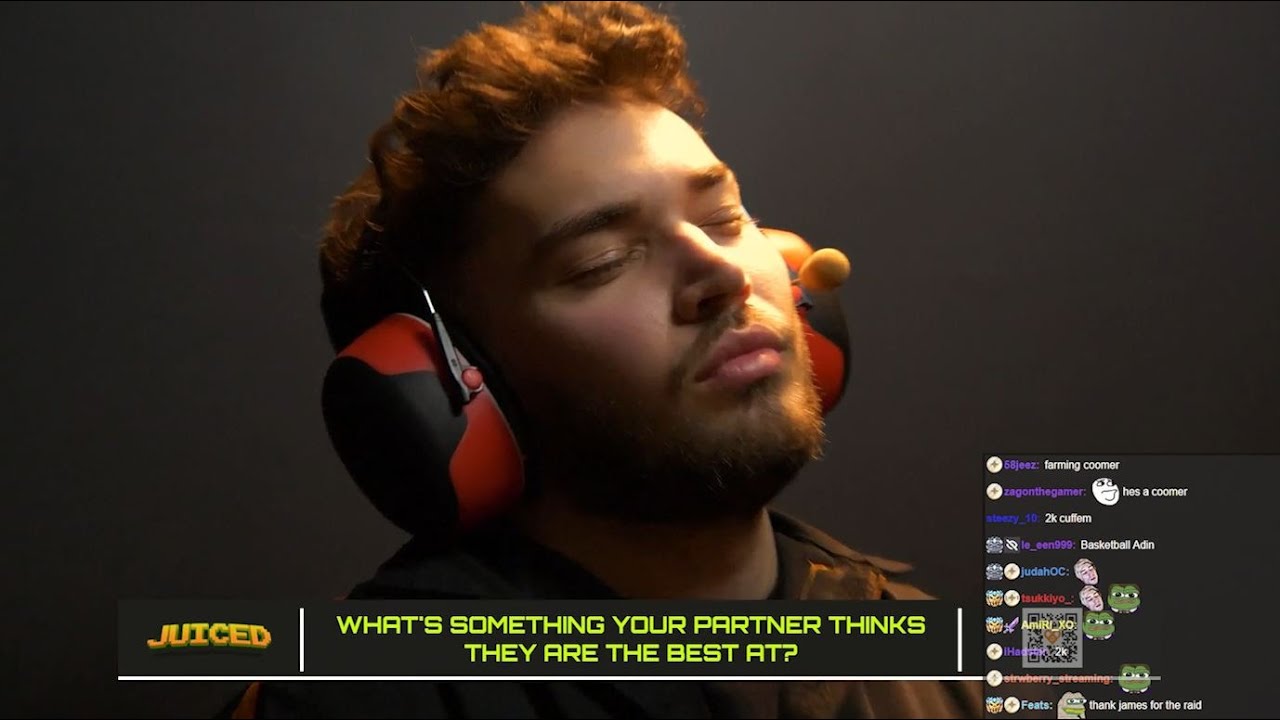
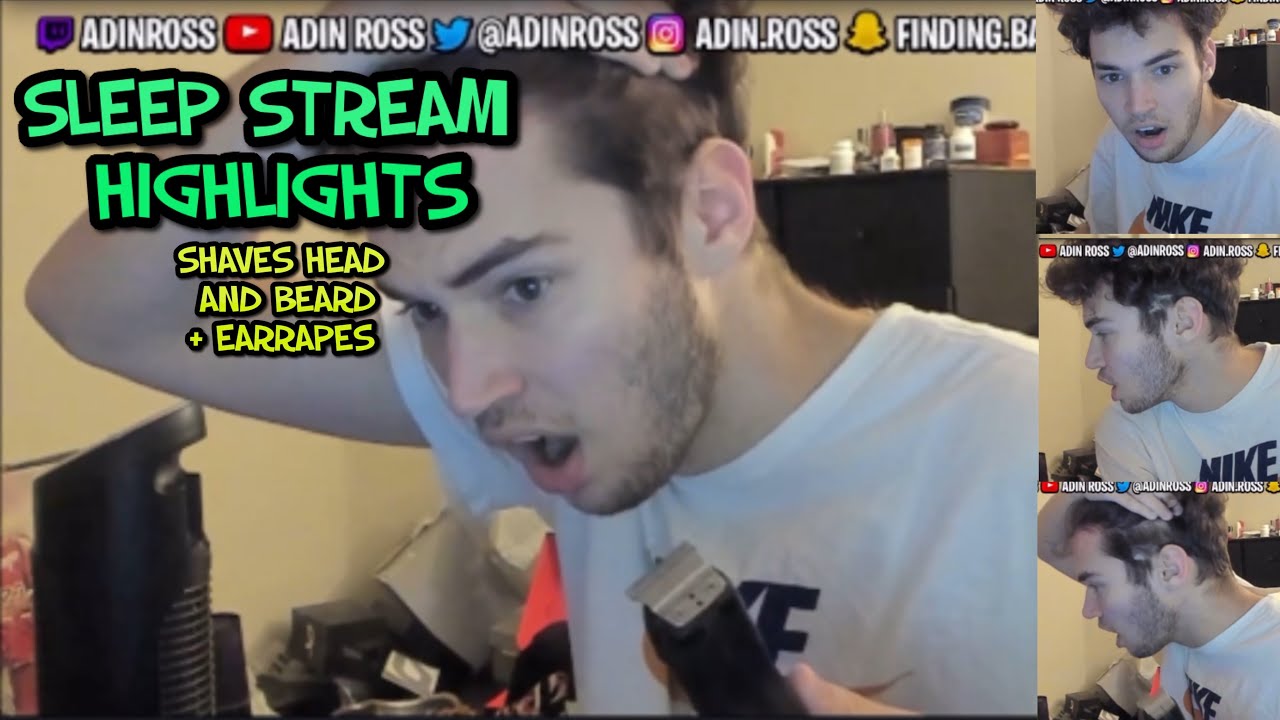
In the evolving landscape of digital entertainment, Adin Ross has tapped into a bizarre yet highly lucrative trend: the "sleep stream." What began as a niche experiment has transformed into a massive cultural phenomenon, drawing hundreds of thousands of viewers who tune in simply to watch the streamer drift off into slumber. While it may seem counterintuitive to watch someone sleep, this content format bridges the gap between parasocial connection and the voyeuristic nature of modern internet celebrity.
Why Audiences Tune In
The appeal of an Adin Ross sleep stream lies in its unpredictability and the intimacy it creates. By broadcasting his private downtime, Ross dismantles the "performer" persona, inviting fans into his most vulnerable state. For the audience, it creates a sense of community—a digital "sleepover" where chat rooms become hubs for gossip, memes, and real-time commentary. Furthermore, the gamification of these streams, often involving loud alerts or pranks triggered by fan donations, keeps the audience engaged even when the subject is inactive.
A New Era of Content
Critics might dismiss sleep streaming as "low-effort" content, but it represents a masterclass in audience retention. By turning his physical presence into a 24/7 brand, Ross ensures that his name remains at the top of the platform’s algorithm regardless of whether he is actively playing games or snoring on camera. This phenomenon highlights a shift in how we consume media: today’s viewers are less interested in polished, scripted productions and more invested in the raw, unedited reality of their favorite creators. Whether you find it fascinating or baffling, the sleep stream is a testament to the power of constant digital availability in the age of the influencer.
Related Posts: